Electricity rates across Massachusetts, Rhode Island, and Maine have risen significantly over recent years. For homeowners seeking long-term financial predictability, switching to rooftop solar power is one of the single most impactful investments you can make.
1. How Net Metering Works in New England
When your solar panels generate more electricity during peak daytime hours than your home consumes, that surplus power flows directly back into the electrical grid. Under utility net metering programs across Eversource, National Grid, and Rhode Island Energy, you earn monetary bill credits for every kilowatt-hour sent back.
During evening hours or overcast days, your home automatically draws electricity from the grid, utilizing your accumulated credits to offset consumption.
Key Takeaway for Homeowners
With properly sized Tier-1 monocrystalline panels, many Solgrid customers reduce their monthly electric utility obligation down to basic customer service connection fees.
2. Direct-Installer Pricing vs. Middleman Brokers
Many solar sales companies operate as third-party marketing brokers, adding high commission markups before subcontracting installation to outside crews. Solgrid operates as a direct installer with in-house master electricians, licensed roofers, and engineers.
- Zero Middleman Markups: Direct access to transparent redline pricing.
- In-House Permitting: Fast utility interconnection & municipal permit filing.
- 25-Year Warranty: Comprehensive coverage for panel equipment, microinverters, and roof flashings.
3. Combining Battery Storage for Blackout Protection
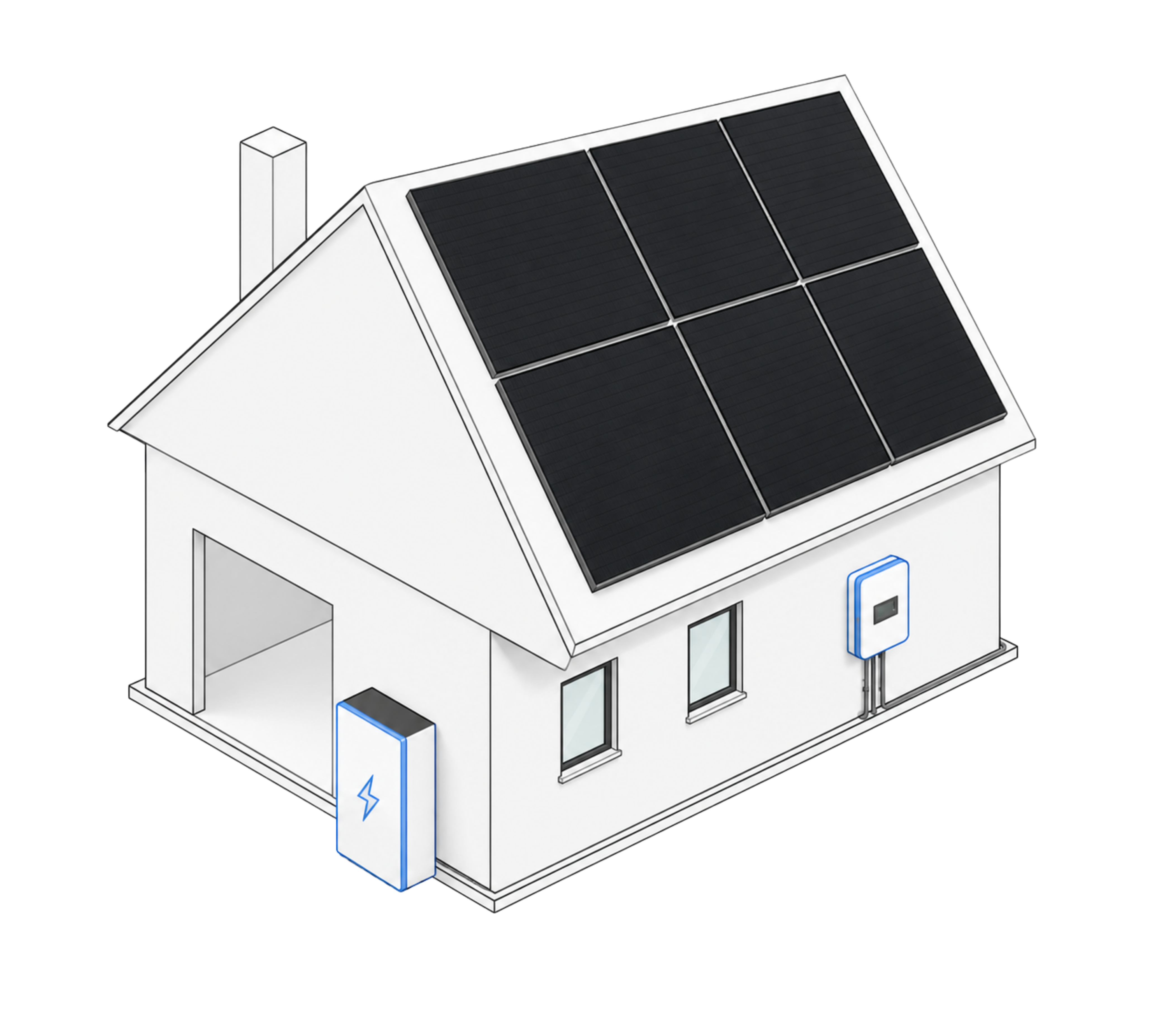
Pairing your solar installation with smart battery storage like Enphase IQ or Tesla Powerwall ensures essential circuits—refrigeration, medical equipment, heating controls, and Wi-Fi—stay active during extreme weather grid blackouts.